
about.
meet dana zemtsov
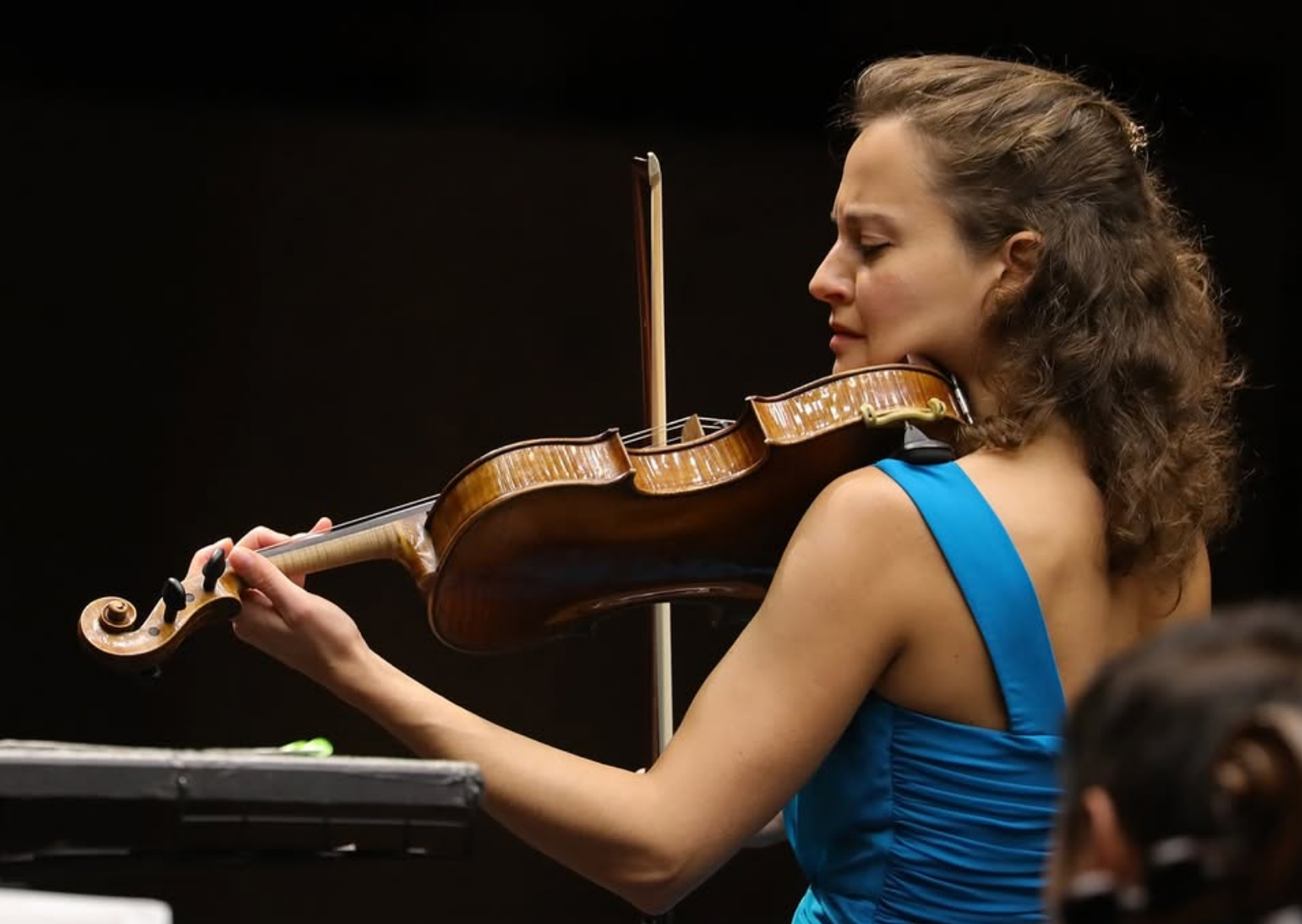
Gramophone Magazine has described Dana Zemtsov’s playing as “so perfectly tuned, so varied in color and with such considerable distances in the intervals between the notes, that you would be forgiven for thinking it sounded more like a chamber orchestra.”
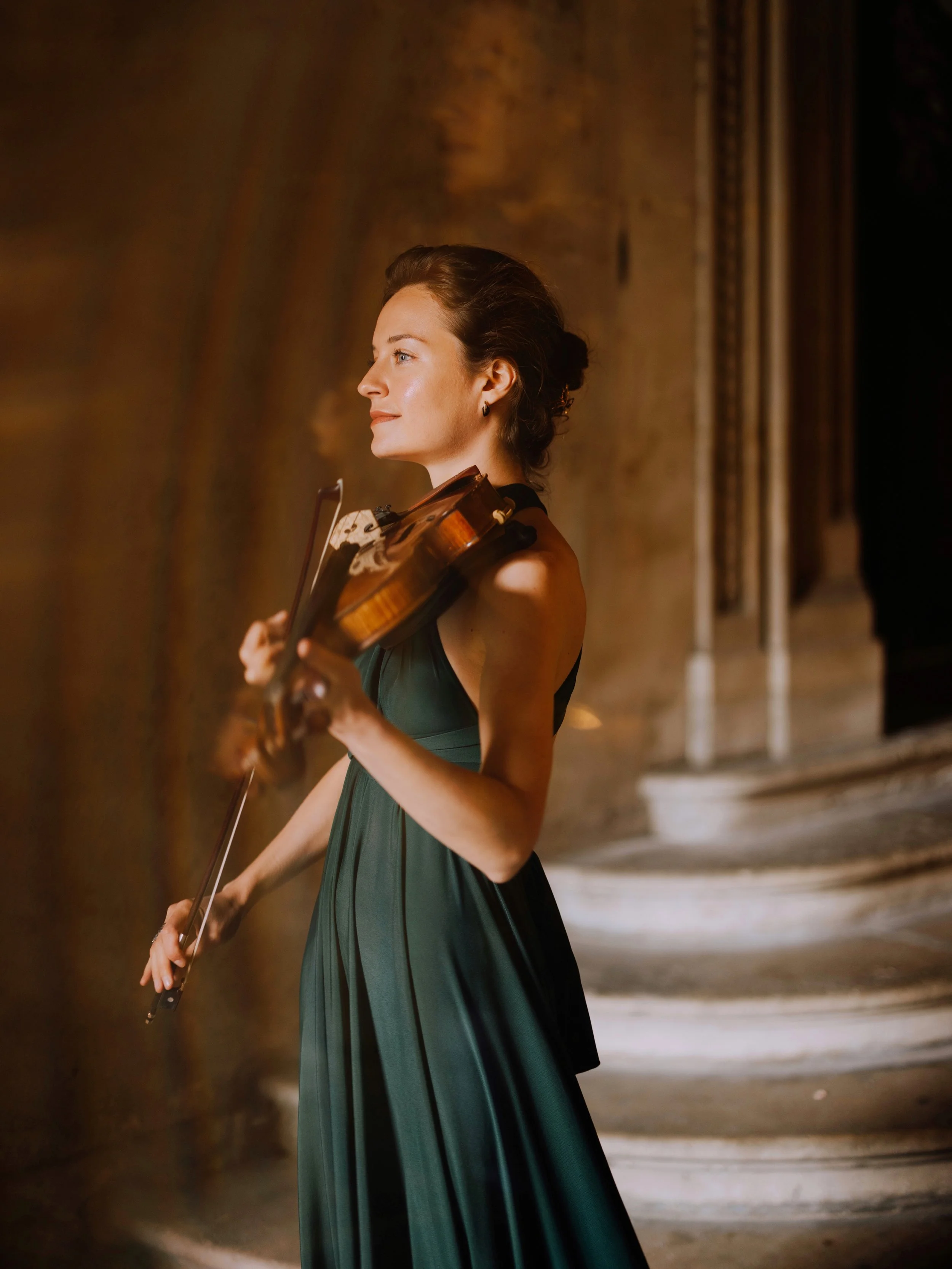
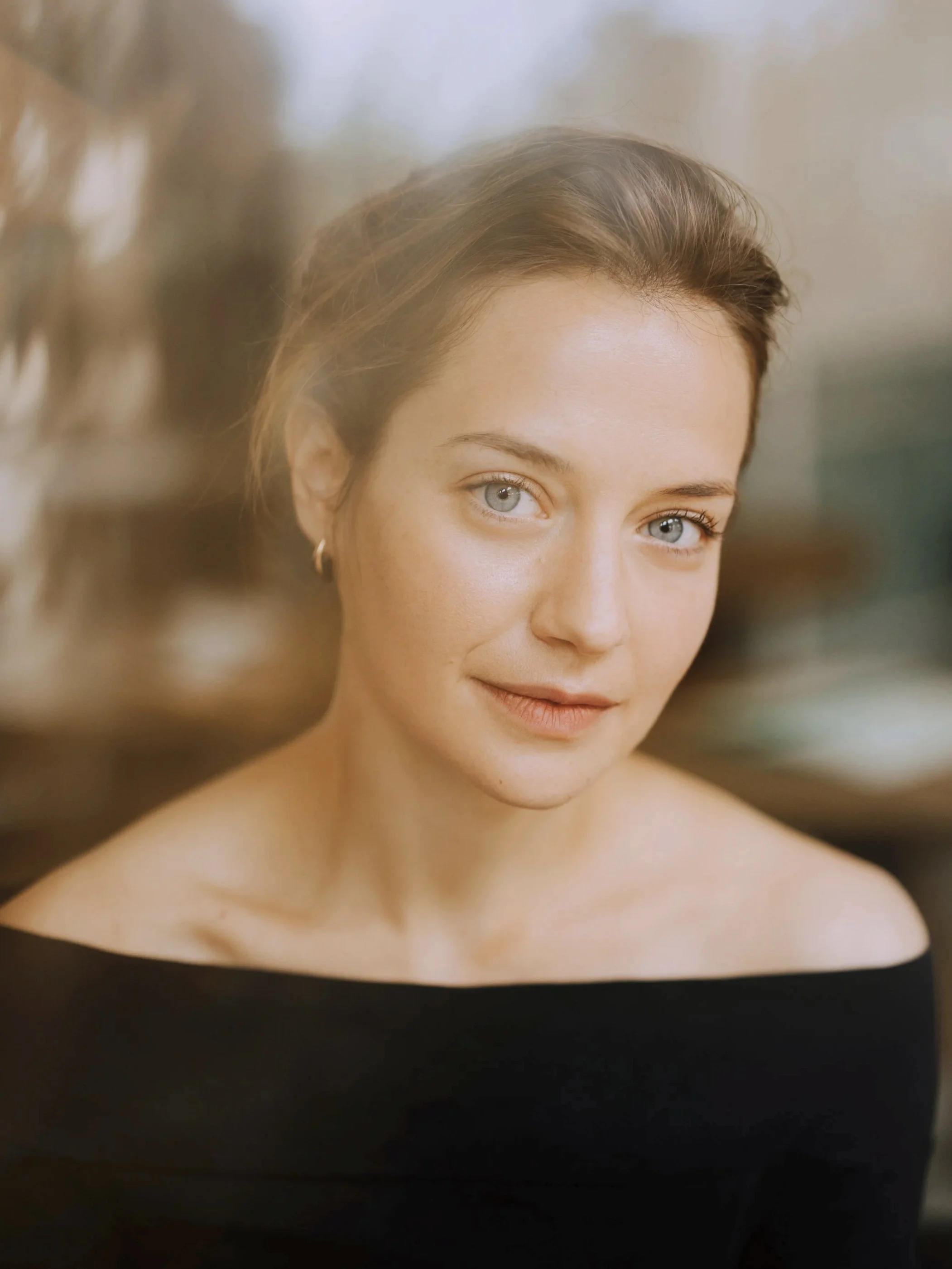
Dana Zemtsov is internationally recognized as one of the most distinctive viola soloists of her generation. Born in Mexico City and raised and educated primarily in the Netherlands, her artistic identity has been shaped by a life lived between Europe and the Americas, grounded in a deep musical lineage and a long-standing commitment to artistic integrity.
Career Highlights
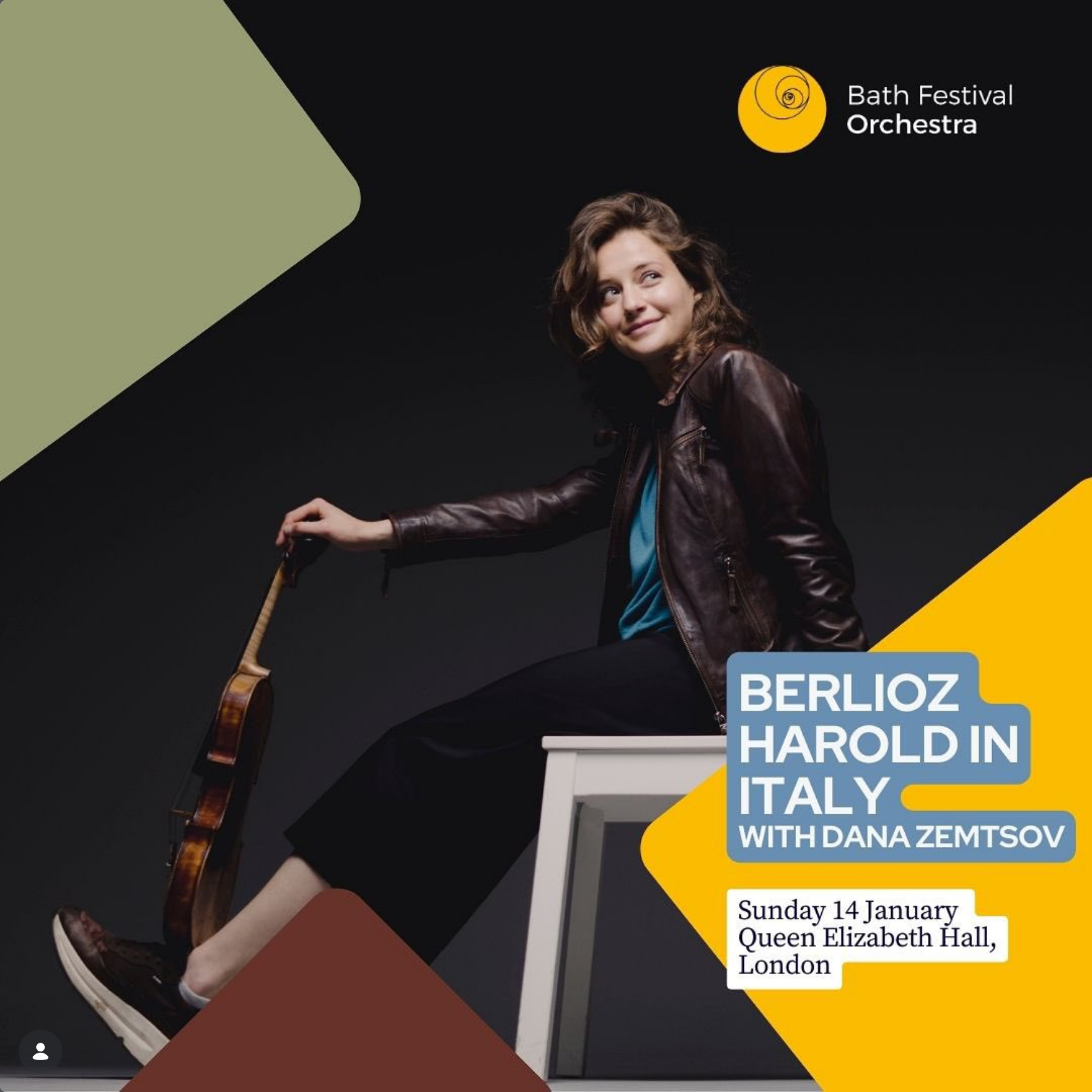
Dana performs regularly in major concert halls including the Royal Concertgebouw Amsterdam, Carnegie Hall in New York, the St. Petersburg Philharmonia, and the Opera House in Tel Aviv. As a chamber musician, she has collaborated with artists such as Janine Jansen, Giovanni Sollima, Martin Fröst, Anna Fedorova, Ilya Gringolts, and Boris Berezovsky.
As a soloist, she has appeared with orchestras throughout Europe, North and South America, including performances in the Netherlands, Germany, Italy, the United States, Brazil, Mexico, Ukraine, and Estonia. She has worked under conductors such as Leif Segerstam, Daniel Raiskin, Otto Tausk, Massimo Quarta, Marco Parisotto, and Fabio Mechetti. In 2011, she participated in the Stars of Tomorrow tour in Germany, presenting some of Europe’s most promising young artists.
Dana is a prizewinner of numerous international competitions in Luxembourg, Italy, Austria, Germany, Portugal, and the Netherlands. In 2010, she was named Young Musician of the Year in the Netherlands and represented the country at the Eurovision Young Musicians Competition in Vienna. She is also a recipient of the Kersjes Prize, awarded annually to an outstanding young string player in the Netherlands. In 2016, she was invited as Guest of Honor at the 43rd International Viola Congress in Cremona, appearing alongside figures such as Bruno Giuranna, Ettore Causa, and Tabea Zimmermann.
recording projects
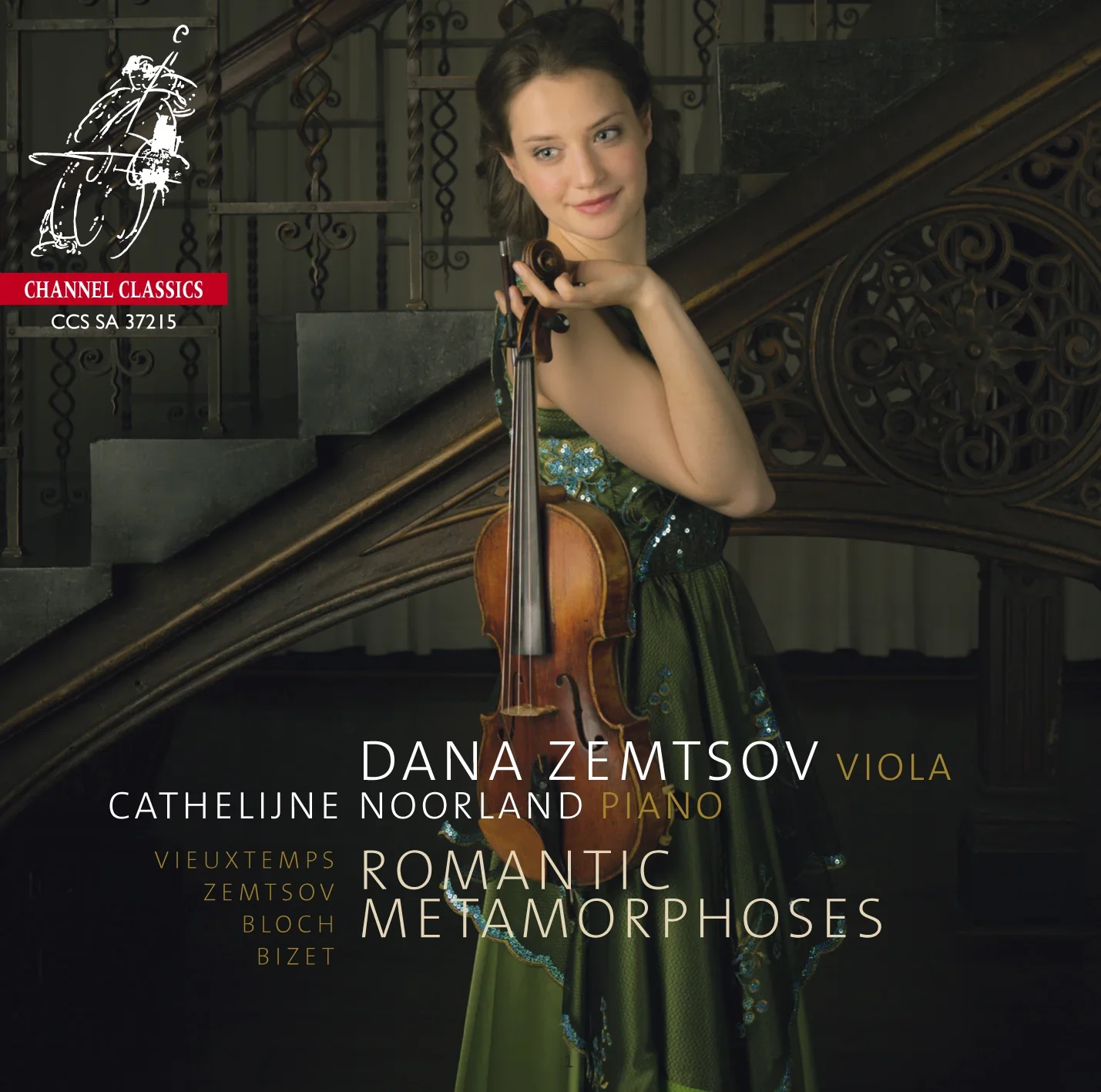
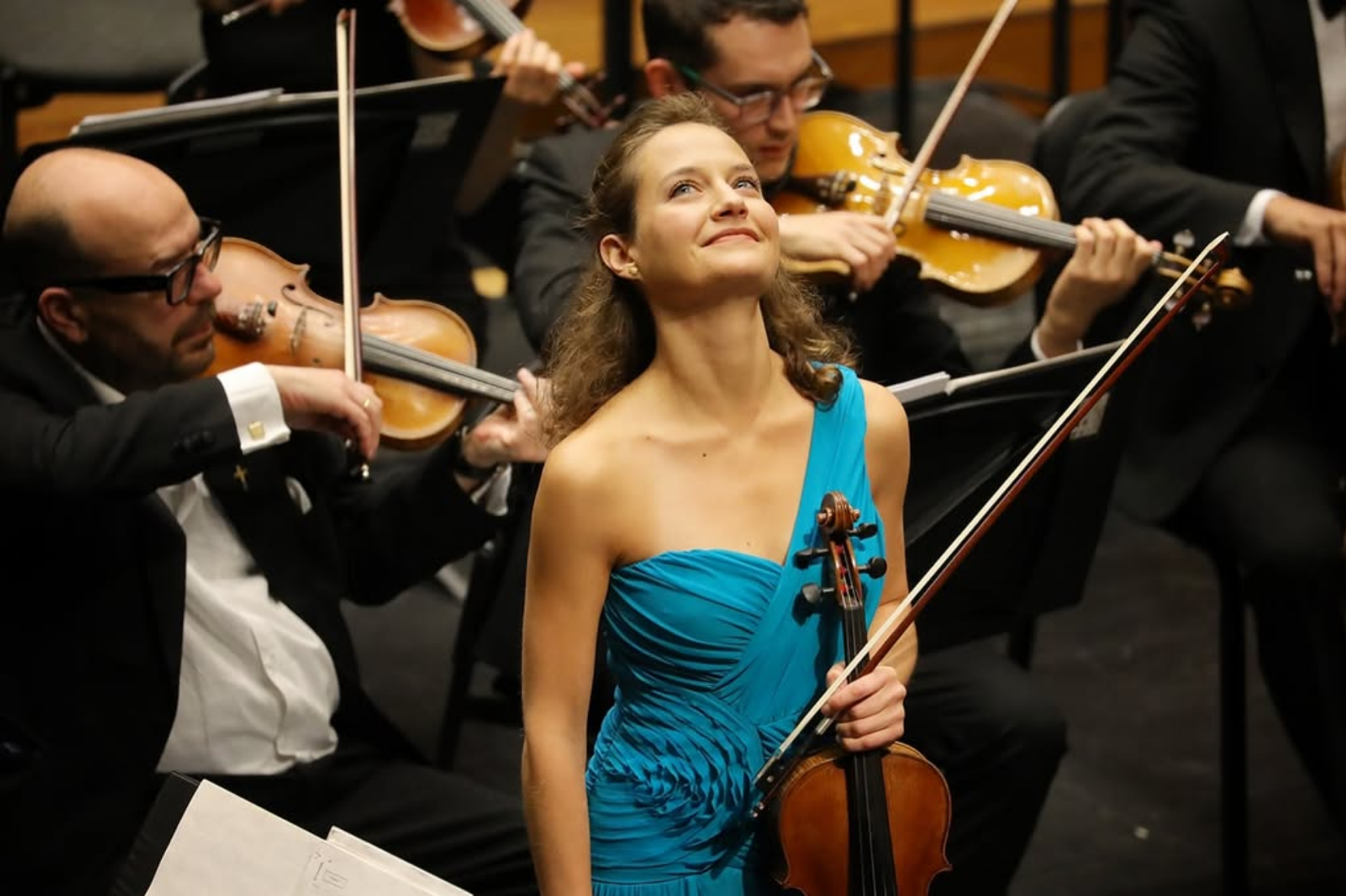
Dana Zemtsov has released seven albums to date, many of which have received international critical acclaim. Her discography reflects a clear artistic vision, combining core repertoire with rediscovered works, contemporary compositions, and deeply personal thematic concepts.
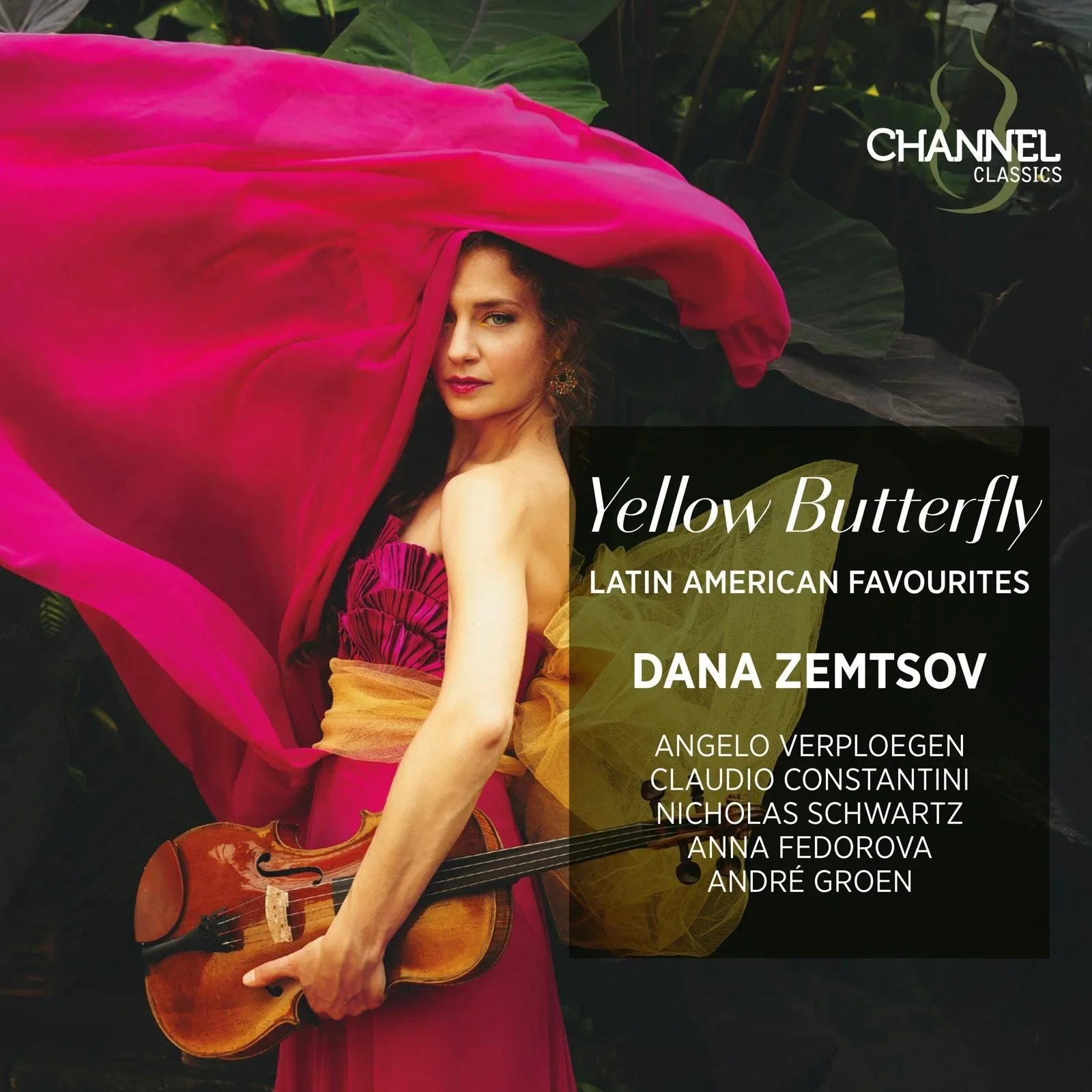
In February 2025, she released her album Yellow Butterfly, one of her most personal projects to date. The idea for the album emerged in Mexico City, where she found herself sitting in a park, rereading One Hundred Years of Solitude by Gabriel García Márquez. Surrounded by familiar sounds, scents, and rhythms, she was struck by the novel’s recurring image of yellow butterflies — a symbol of love, memory, and inevitability — and by how deeply Latin American music had shaped her earliest emotional experiences.
This moment became the starting point for Yellow Butterfly, a project dedicated to the Latin American bolero: love songs so deeply embedded in cultural memory that generations know them by heart. With arrangements by Joan Albert Amargós and Claudio Constantini, as well as two arrangements by Dana herself, the album reimagines these songs for viola and chamber ensemble. The recording features Anna Fedorova (piano), Angelo Verploegen (trumpet), Claudio Constantini (bandoneon), Nicholas Schwartz (double bass), and André Groen (percussion). The album captures not only musical material, but an entire emotional and sensory landscape shaped by memory and place.
Alongside this release, Dana is currently preparing an orchestral recording project featuring works by Gyula Dávid, Fazıl Say, and Bohuslav Martinů, recorded with the St. Gallen Symphony Orchestra under the direction of Modestas Pitrėnas. This project reflects her long-standing commitment to expanding and recontextualizing the viola repertoire.
Dana is particularly known for her dedication to repertoire research. She consistently challenges the assumption that the viola lacks solo literature, actively uncovering overlooked works, collaborating with contemporary composers, and presenting new perspectives on both historical and modern repertoire. Pairing established works with lesser-known and newly created pieces is a central element of her programming.
Education & Artistic Formation
Born into a family of professional musicians, Dana received her first music lessons at the age of four. Her early training began on the violin, guided by her grandmother and later by her parents. Until the age of twelve, violin was her primary instrument, before she made the decisive transition to viola.
Her musical development was shaped over many years by the legendary pedagogue Michael Kugel, under whose mentorship she studied from a very young age into early adulthood. This long and intensive period of study provided a rigorous technical foundation while encouraging intellectual independence and artistic responsibility.
Dana’s childhood unfolded across several countries. After her birth in Mexico City, her family relocated to Stavanger, Norway, where her parents joined the Stavanger Symphony Orchestra. She attended a French school during her formative years, growing up in a multilingual environment. Today, she speaks Russian, Spanish, English, French, Dutch, and Italian fluently — a natural extension of her lived experience and musical sensitivity.
Family & Listening
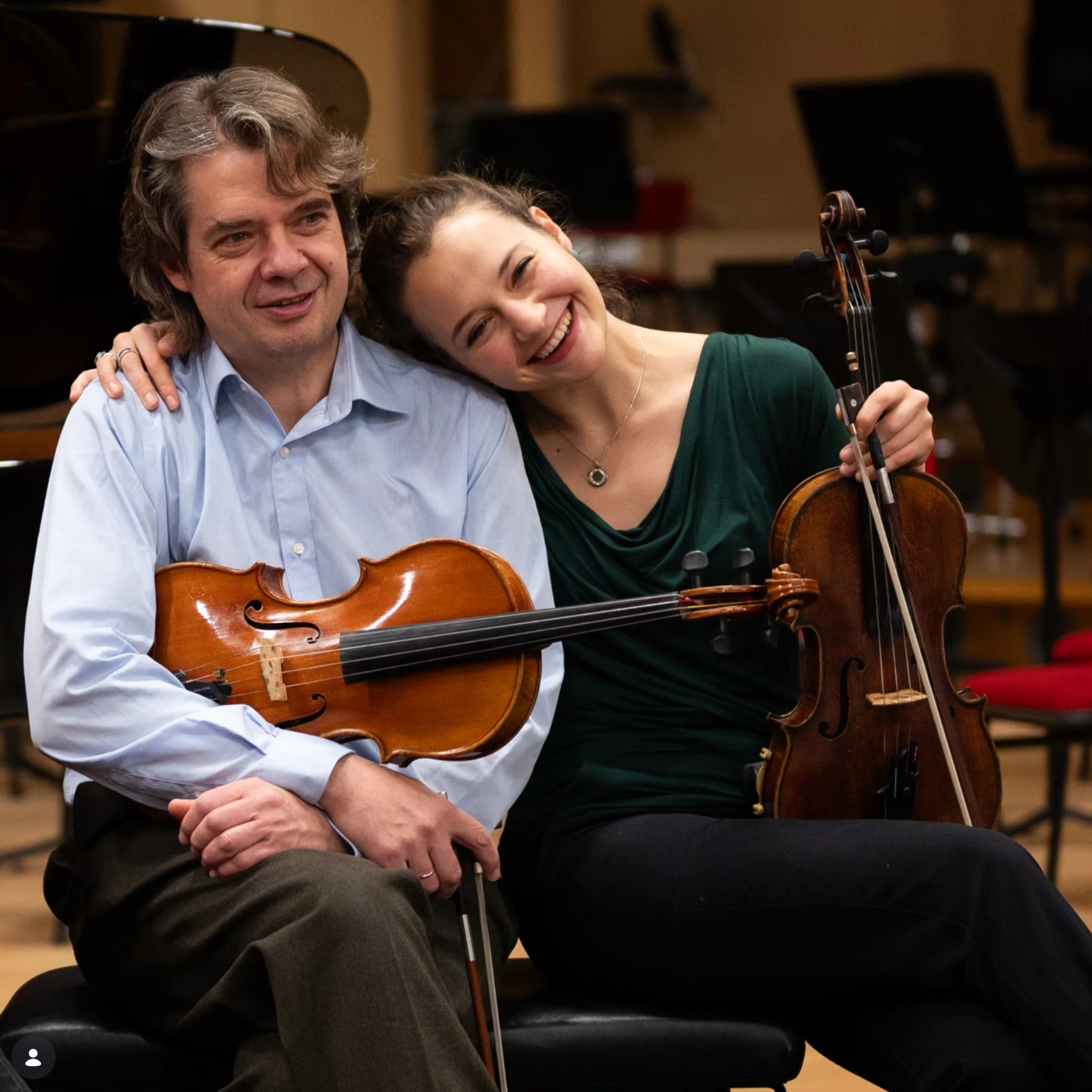
Beyond formal training, Dana’s artistic perception was shaped by the way music was lived and shared within her family.
On her father’s side, her grandfather was a composer and published poet, a deeply reflective figure who introduced her to music as an act of listening and concentration. Long listening sessions together formed an early understanding of sound, structure, and musical time — an experience that continues to influence her approach to interpretation.
On her mother’s side, her grandparents were both violinists in the National Orchestra of Mexico and later became highly respected teachers and professors. Her maternal grandfather, originally from Minsk, remains one of the leading string pedagogues in Mexico, while her maternal grandmother performed in the orchestra until the age of 76, embodying a lifelong devotion to music.
From her father’s side, her grandmother was a free-spirited, bohemian personality who cherished moments when the family played music together at home. She regularly brought family members together for informal concerts, reinforcing music as a shared, communal experience rather than a solitary pursuit.
Teaching & Transmission
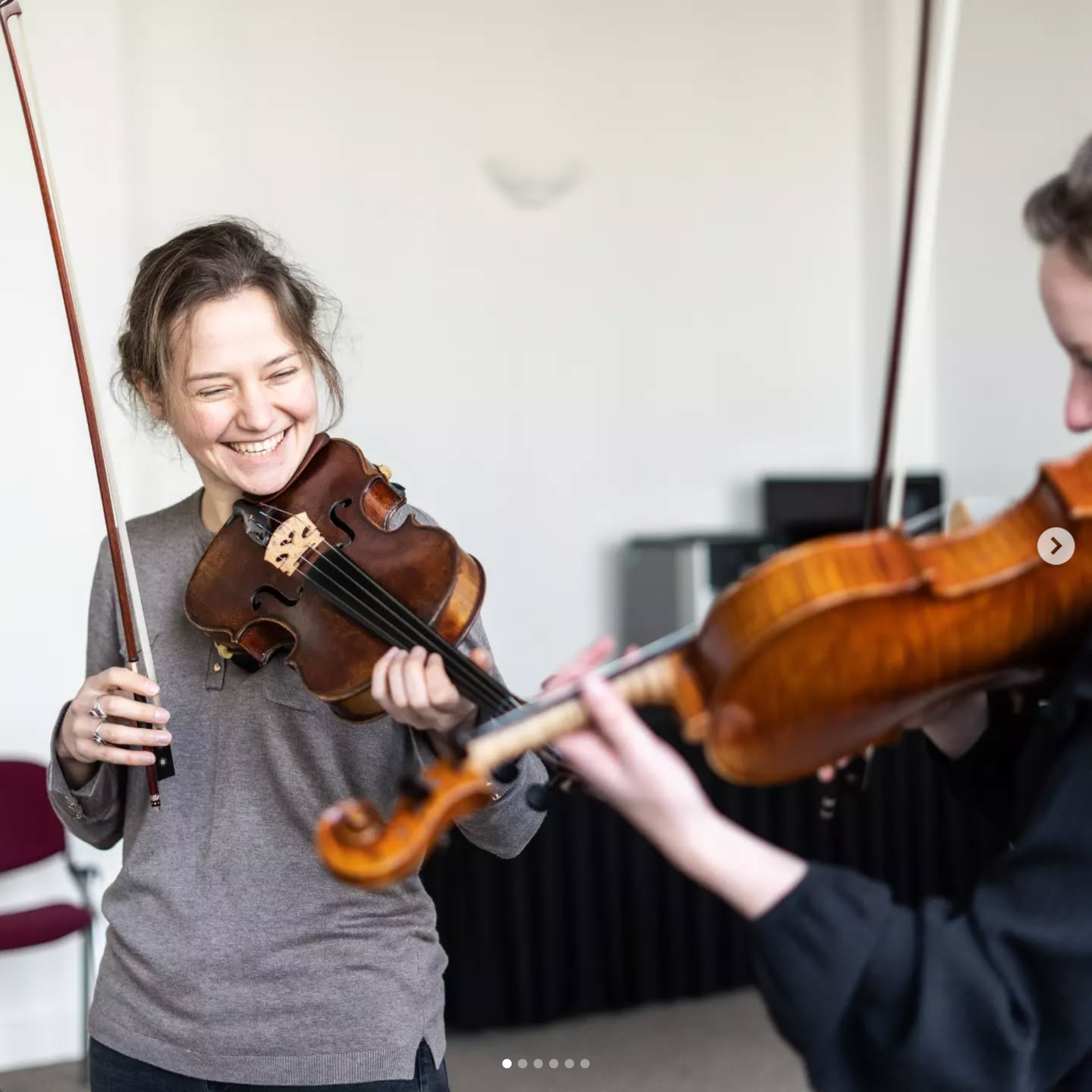
Teaching is an essential part of Dana Zemtsov’s artistic life. She is regularly invited to give masterclasses throughout Europe and the Americas and teaches at institutions such as the Davidsbündler Music Academy in The Hague. Together with her family, she also organizes the annual Zemtsov Viola Masterclasses, which bring together large numbers of young musicians in an atmosphere of intensive work, exchange, and inspiration.
At this stage of her career, Dana places particular value on transmission — passing on not only technical knowledge, but also curiosity, responsibility, and a deeper understanding of musical meaning. She finds teaching especially rewarding, since the energy, openness, and commitment of young musicians create an exceptionally vibrant learning environment.
Dana’s artistic approach is marked by clarity, depth, and a strong sense of responsibility toward both repertoire and audience. Through thoughtfully curated programs that bring together established works with rediscovered and contemporary repertoire, she seeks to create concerts that encourage attentive listening and a shared musical experience rooted in tradition, yet open to renewal.